
Arusha National Park, while smaller than some of Tanzania’s other parks, is home to a diverse range of wildlife. Here are some of the animals you might encounter:
What people say about Arusha National Park in Tripadvisor
Arusha National Park is a beautiful and diverse park located in northern Tanzania, near the city of Arusha. It’s one of Tanzania’s smaller parks but is known for its rich variety of landscapes and wildlife.
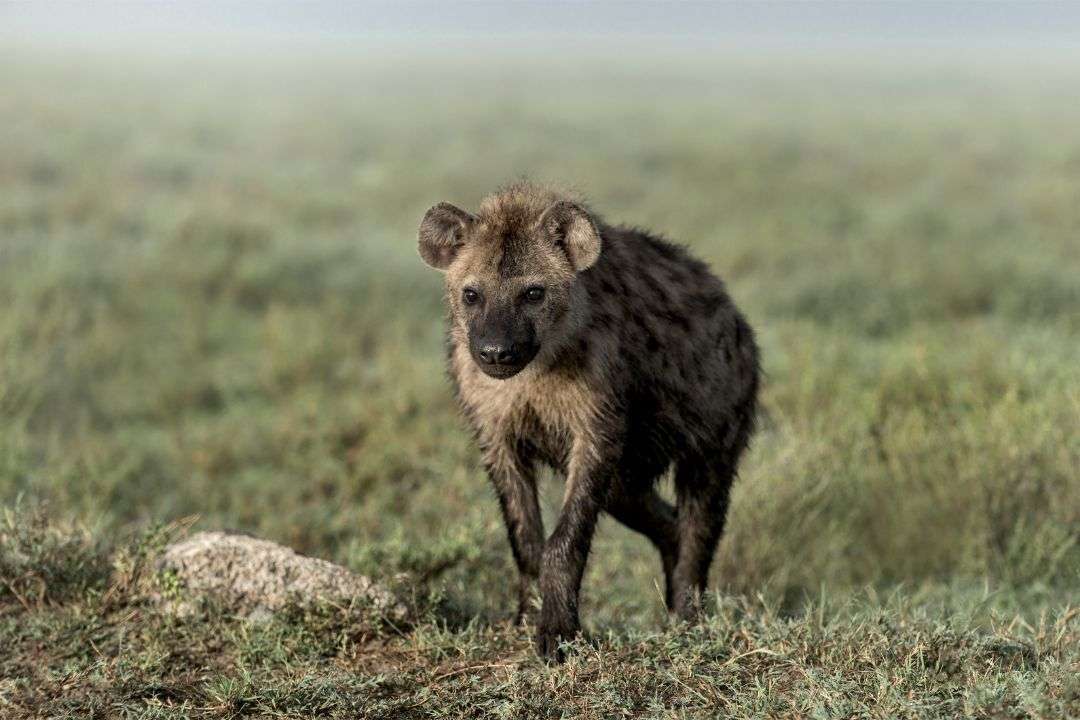
Diverse Landscapes:
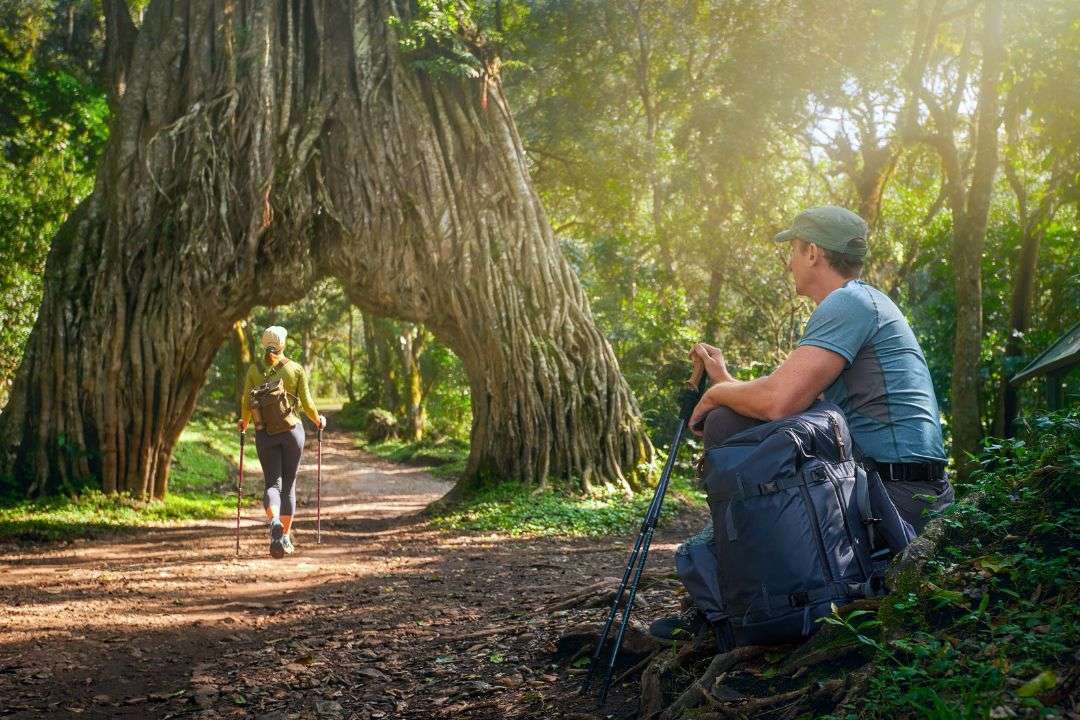
Mount Meru: The park is dominated by Mount Meru, Tanzania’s second-highest peak (4,562 meters). It’s a popular trekking destination, offering stunning views and a less crowded alternative to Mount Kilimanjaro.
Ngurdoto Crater: Often referred to as the “Little Ngorongoro,” this crater features lush forests and swamps, home to buffaloes, warthogs, and monkeys.
Momella Lakes: A series of shallow, alkaline lakes that attract flamingos and other waterbirds, offering excellent birdwatching opportunities.
Wildlife:
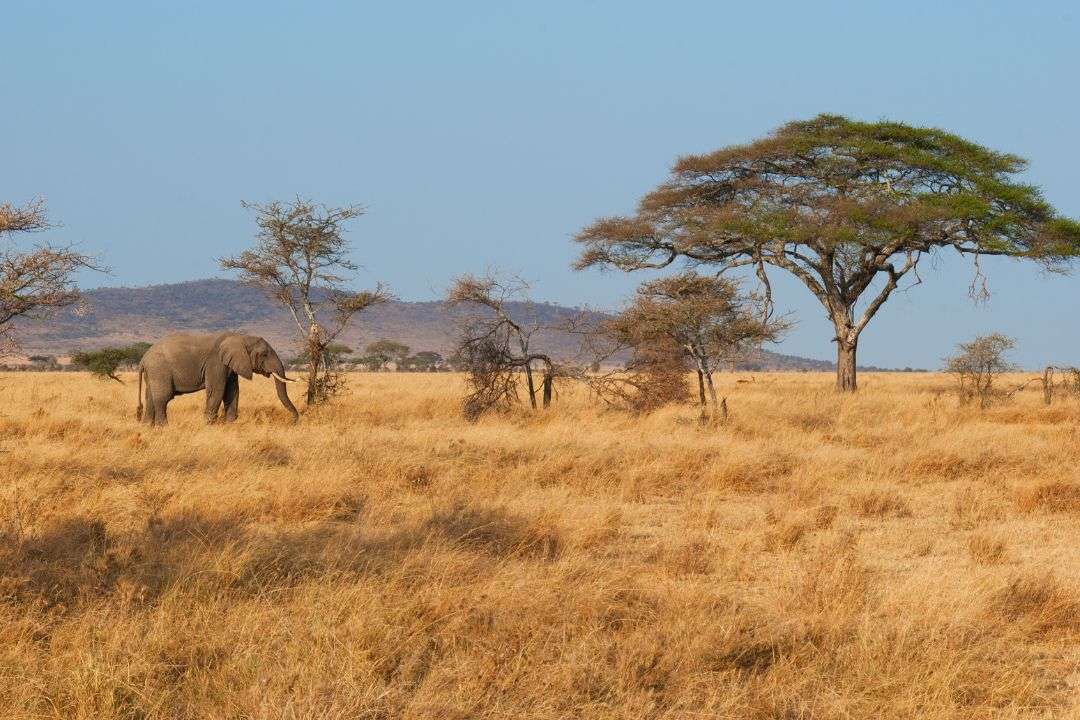
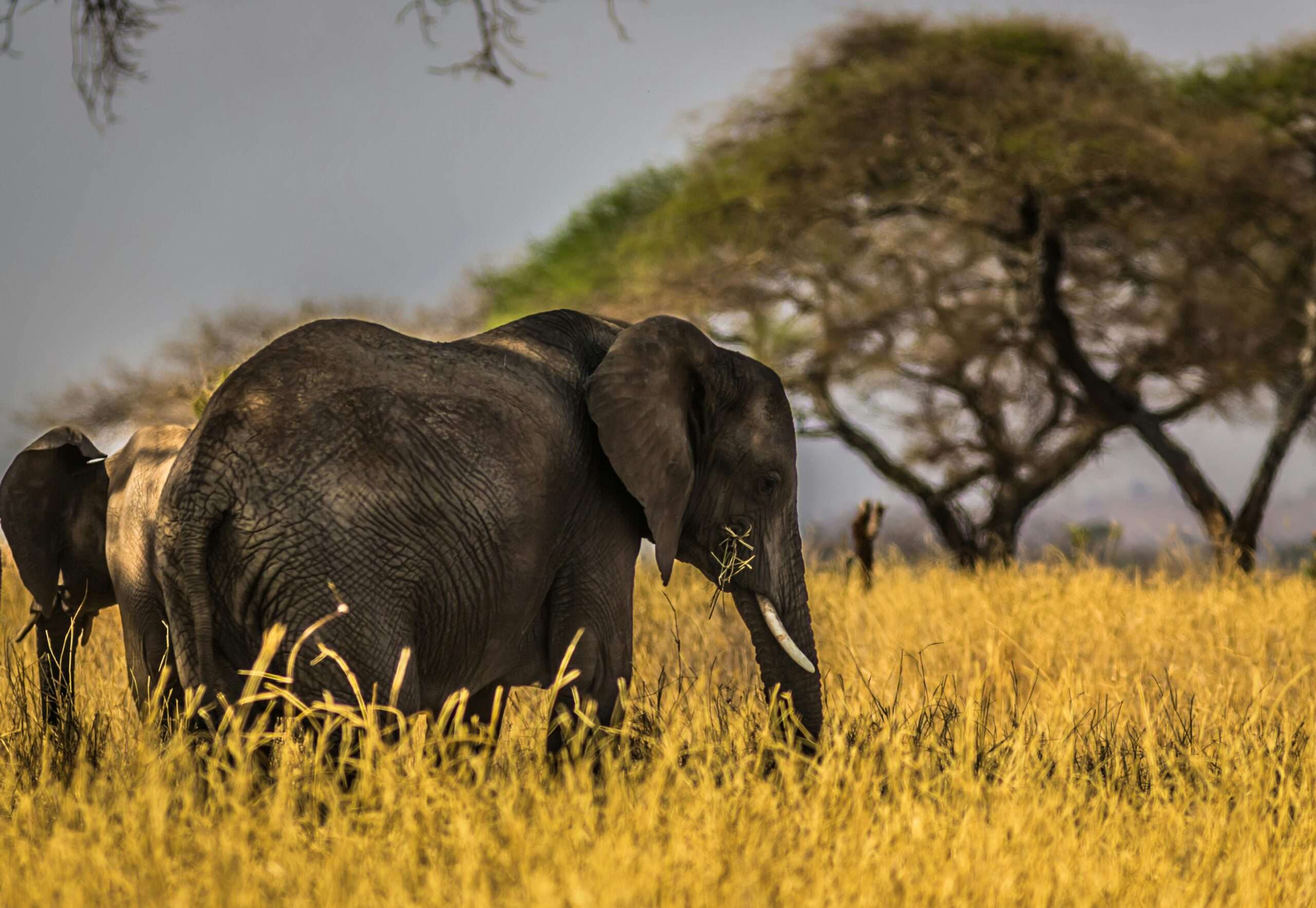
While the park doesn’t have large predators like lions, it is home to giraffes, zebras, buffaloes, elephants, and various antelope species.
Colobus monkeys and blue monkeys are commonly seen in the forested areas.
Birdlife is abundant, with over 400 species recorded, including flamingos, kingfishers, and turacos.
Activities:
Game Drives: Explore the park’s diverse habitats and spot wildlife.
Walking Safaris: Unique to Arusha National Park, guided walks allow visitors to get close to nature and enjoy the scenery on foot.
Canoeing: Available on Momella Lakes, offering a peaceful way to observe birds and wildlife.
Mount Meru Trekking: A multi-day hike to the summit, offering breathtaking views and a challenging adventure.
Accessibility:
The park is easily accessible from Arusha city, making it a popular day-trip destination.
It’s also a great stop for travelers heading to or from other northern circuit parks like Serengeti, Ngorongoro, or Tarangire.
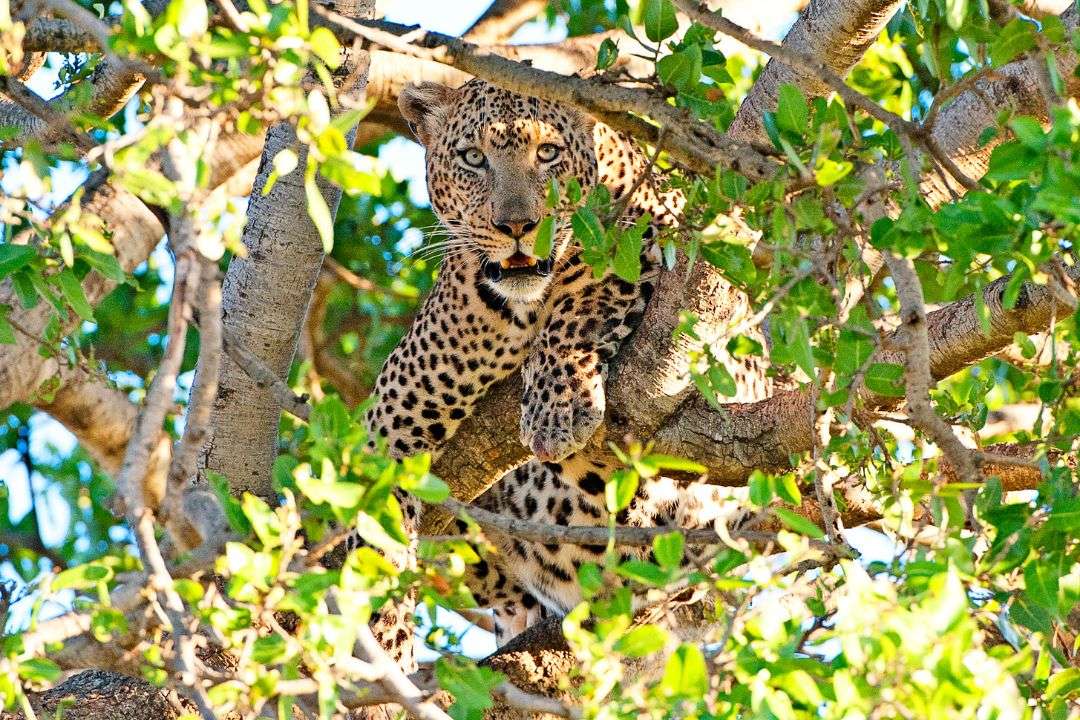
Arusha National Park, nestled in northern Tanzania, spans 552 square kilometers of diverse ecosystems, including lush rainforests, acacia savannahs, and the towering Mount Meru. It is home to iconic African wildlife such as the Big Five—elephants, leopards, buffaloes, lions, and rhinoceroses (though rare)—alongside giraffes, zebras, and various antelope species. The park’s picturesque Momella Lakes attract flamingos and other birdlife, offering tranquil scenery amidst volcanic landscapes. Arusha National Park, a UNESCO World Heritage site, balances conservation with tourism, ensuring sustainable enjoyment of its natural wonders while preserving its ecological integrity for future generations.
Arusha National Park, nestled in northern Tanzania, showcases a rich diversity of wildlife within its varied landscapes. Visitors can encounter the iconic Big Five—elephants, leopards, buffaloes, lions, and rhinoceroses (rarely sighted)—alongside giraffes, zebras, and various antelope species like the elusive bushbuck. The park’s lush rainforests are home to playful colobus monkeys, while the open savannahs host warthogs and Maasai giraffes. The picturesque Momella Lakes attract flamingos and a wealth of birdlife, adding a colorful flourish to this biodiverse haven that combines scenic beauty with exceptional wildlife viewing opportunities.
The best time to visit Arusha National Park is during the dry season, from late June to October, and also from January to February. These months offer optimal wildlife viewing conditions with clear skies and sparse vegetation, making it easier to spot animals. The weather is generally mild and pleasant, ideal for outdoor activities such as game drives, hiking, and birdwatching. Additionally, the dry season coincides with the annual migration of bird species to the park’s lakes, enhancing the overall wildlife experience. Avoiding the rainy seasons (March to May and November to mid-December) ensures minimal disruption from heavy rainfall and muddy trails.
To reach Arusha National Park, you can travel by road from Arusha city, approximately a 40-minute drive. Alternatively, from Kilimanjaro International Airport (JRO), it’s about a 1.5-hour drive. Guided tours and private transport are common options, ensuring ease of access to the park’s main gates, such as Momella Gate for safari entry or Ngurdoto Gate for hiking trails. Flights to Arusha Airport (ARK) also provide convenient access, followed by a short drive to the park. Whether self-driving or with a tour operator, these routes offer seamless entry to explore Arusha National Park’s diverse landscapes and wildlife.
Arusha National Park is generally safe for visitors. The park is well-managed with established tourist infrastructure and experienced guides who ensure visitor safety during game drives, hikes, and other activities. Wildlife encounters are carefully monitored, and protocols are in place to minimize risks. However, visitors should always follow park regulations, stay with guides in designated areas, and respect wildlife at all times. With proper precautions and guidance, exploring Arusha National Park offers a memorable and safe experience amidst Tanzania’s stunning natural landscapes and diverse wildlife.
For a visit to Arusha National Park, pack light, breathable clothing suitable for both cool mornings and warmer afternoons. Include sturdy hiking boots for trails, a wide-brimmed hat, sunscreen, and insect repellent. Bring binoculars for wildlife viewing and a camera with extra batteries for capturing memorable moments. Pack a daypack with snacks, water, and a rain jacket in case of showers. Don’t forget personal essentials like medications, a reusable water bottle, and a map or guidebook for orientation.
Dry Season (June to October): Ideal for wildlife viewing and trekking Mount Meru.
Wet Season (November to May): The park is lush and green, with fewer tourists, but trekking can be more challenging.
It’s a perfect introduction to Tanzania’s wildlife and landscapes, especially for those with limited time.
The park’s compact size and variety of activities make it a versatile destination.
Its proximity to Arusha makes it a convenient addition to any northern Tanzania safari itinerary.
The park features a mix of landscapes, including the lush rainforest on Mount Meru, the picturesque Momella Lakes, and the expansive Serengeti plains. The views of Mount Kilimanjaro and Mount Meru from the park are stunning.
While it’s not as famous for big game as some other Tanzanian parks, Arusha National Park is home to a range of wildlife, including giraffes, zebras, buffaloes, and various antelopes. It’s also a great place to see primates like the black-and-white colobus monkeys and blue monkeys.
The park is a birdwatcher’s paradise with over 400 species of birds recorded. Look out for the flamingos at the Momella Lakes, as well as various other bird species like the bar-tailed trogon and the African harrier-hawk.
Due to its proximity to Arusha, it’s relatively easy to access, making it a popular spot for travelers on their way to other destinations in Tanzania, such as the Serengeti or Ngorongoro Crater.
Game Drives in Arusha National Park provide a classic safari experience and offer a great way to explore the park’s diverse ecosystems.
Offer a unique and tranquil way to explore the park’s water ecosystems.
Offer a unique and immersive way to experience the park’s diverse ecosystems and wildlife.
EXCELLENTVerified Fun, safe and fun! I had a very nice experience! Bruno had everything super organized and showed me many places during the Safari. He takes you into account and is also pleasant. A super nice guide! I would definitely book with Halisi again. They are ready if you have questions and know a lot to tell.Posted onVerified WAS GREAT I WOULD LIKE TO THANKS MR BRUNO FOR ARRANGING EVERYTHING REGARDS OUR TRAVEL TO MOSHI AND TO MOUNTAIN CLIMNGAROTHE HOTEL WAS ALSO NICE AND COMFORTABLEPosted onVerified Very good service Really the guide was very very flexible and helpful,, good attuide and very responsible,, they even give us best prices. We were searching too much. And the guide gave us very reasonable price. Highly recommendedPosted onVerified My best memory I chose Halisi to climb Kilimanjaro because it's a local Tanzanian company and it was incredible! Everything was perfect: the welcome, the teams, the equipment, the food, the atmosphere in short... my fondest memory of Tanzania! I recommend without hesitation 👌🤩Posted onVerified Fantastic Experience with Halisi Travel - bespoke vacations Dear Bruno, dear Charles, Benson and Philomena,A wonderful stay in Tansania has ended but a lot of memories full of nature, fun, adventure, Hakuna matata and the Big Five will stay in our heart. Thank you so much for this great Support and Driving. We felt safe and happy even though our luggage was lost waiting for days. But you really took care of everything imaginable in the background and have made a carefree time possible. Poa poa... Heiko, Sandra & AntonPosted onVerified best tour guide Bruno is the best tour operator and guide for Tanzania. I booked two trips with him to Mount Meru and Lake Manyara National Park. Both was very well organized and great fun. For Mount Meru he chose a very good team. He is flexible and made all individual wishes possible. I would definitely book again with him.Posted onVerified Safari team My son and I were on 4 day safari and it was absolutely fantastic. The trip was organized entirely according to our wishes. The guide was very experienced and showed the way to all the exciting animals in the beautiful surroundings of the natural areas. Our chef made the best food on the trip. We had fun from start to finish in our little Safari team.Posted onVerified Excellent customer service and very friendly company. Halisi Travel is one of those rare companies that actually cares about its customers and treats them more like friends. They aim to deliver excellent customer service and an awesome experience, all through the magnificent Bruno!I performed a lot of research before I came to Tanzania, to find someone who I could rely on for local tours and a safari. To be honest, it’s a minefield out there. However, Bruno at Halisi travel was excellent, he delivered everything I asked and more, and always with a smile on his face.I spent quite a bit of time with Halisi travel on my trip to Tanzania. Bruno arranged for tours of the Masai Boma Village, Chemka Hotsprings, Materuni waterfalls and Coffee Plantation tour on different days. All were excellent, and Bruno made me feel welcome and was helpfulHalisi travel even helped to arrange my 3 day safari from Moshi. As Bruno didn’t have a group of his own going on safari on the date I needed, and as I was a single passenger wanting to join a group, he instead helped to place me with an associate company. The alternate company did have good reviews but when on the trip there were some organisational issues. However, despite me not actually being on Safari with him, Bruno helped me resolve all the issues by contacting the other company himself. Now that is great customer service! He had nothing to gain from helping me, but was very helpful anyway. Overall, I would not hesitate to use Halisi travel again, as they are excellent. I rate Bruno very highly as a person and guide. I hope to use him again next time I’m in Tanzania!Posted onVerified It was great! I can REALLY recommend booking your trip with Bruno from “Halisi- Travel and Adventure”. I did the Kilimanjaro and Safari (Ngorongoro Crater, Tarangire, Lake Manyara) and I was completely contented. My guide and porter took great care of me and I always got fresh and very good food. Bruno was felixble and so communication and booking was very easy. I did the Kili in less time and so Bruno organized my safari-tour in a very short time- and it was great! Another plus: they picked me up and brought me back to the airport as well. I was very happy and really enjoyed!Posted onVerified Kilimanjaro with Halisi Travel I highly recommend Halisi Travel if you want to climb Mount Kilimanjaro Bruno and his team gave me and my friends very good service. The guides and porters were very helpful and patient. It was thanks to them that we reached the summit! So do not hesitate: if you want to have a wonderful climb contact Bruno Halisi from Halisi Travel! John