Kilimanjaro National Park is home to many fascinating, beautiful and unusual animals, like the black-and-white colobus monkey. We tell you what animals and birds to look for and where, as well as the climbing routes that are best for wildlife spotting.
What wildlife can you see in Kilimanjaro National Park?
Most people visit Kilimanjaro National Parkto climb the mountain, not for game viewing. But whether you’re climbing or just exploring, there are some rare and fascinating animalshere—and we’ll introduce you to them below!
That said, if your goal is to see big African animalslike the Big Five, we recommend visiting Tanzania’s major safari parkslike the Serengetior Ngorongoro Crater. That’s where you’ll find the largest game, top predators, and even the Great Migration.
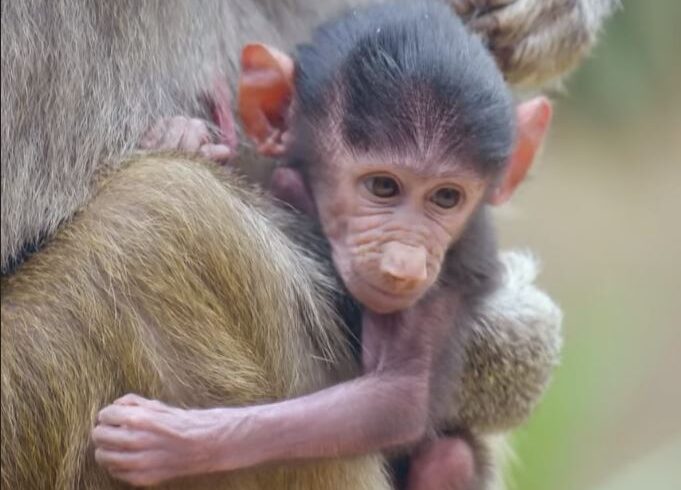
Baboons live on the lower slopes of Kilimanjaro
Keep your eyes open – Kilimanjaro has amazing wildlife!
Even though Kilimanjaro is known for its climb, it’s also home to incredible animals, especially on the lower slopes. If you’re hiking the mountain, you’ll go higher than any road can take you—giving you a better chance to spot wildlife.
Look out for daytimeand nocturnalanimals. The rainforest zoneis especially rich in wildlife. Keep an eye out for unique creatures like the black-and-white colobus monkey.
So, what animals can you see on Kilimanjaro? Which route offers the best animal sightings? And where should you be looking along the way?
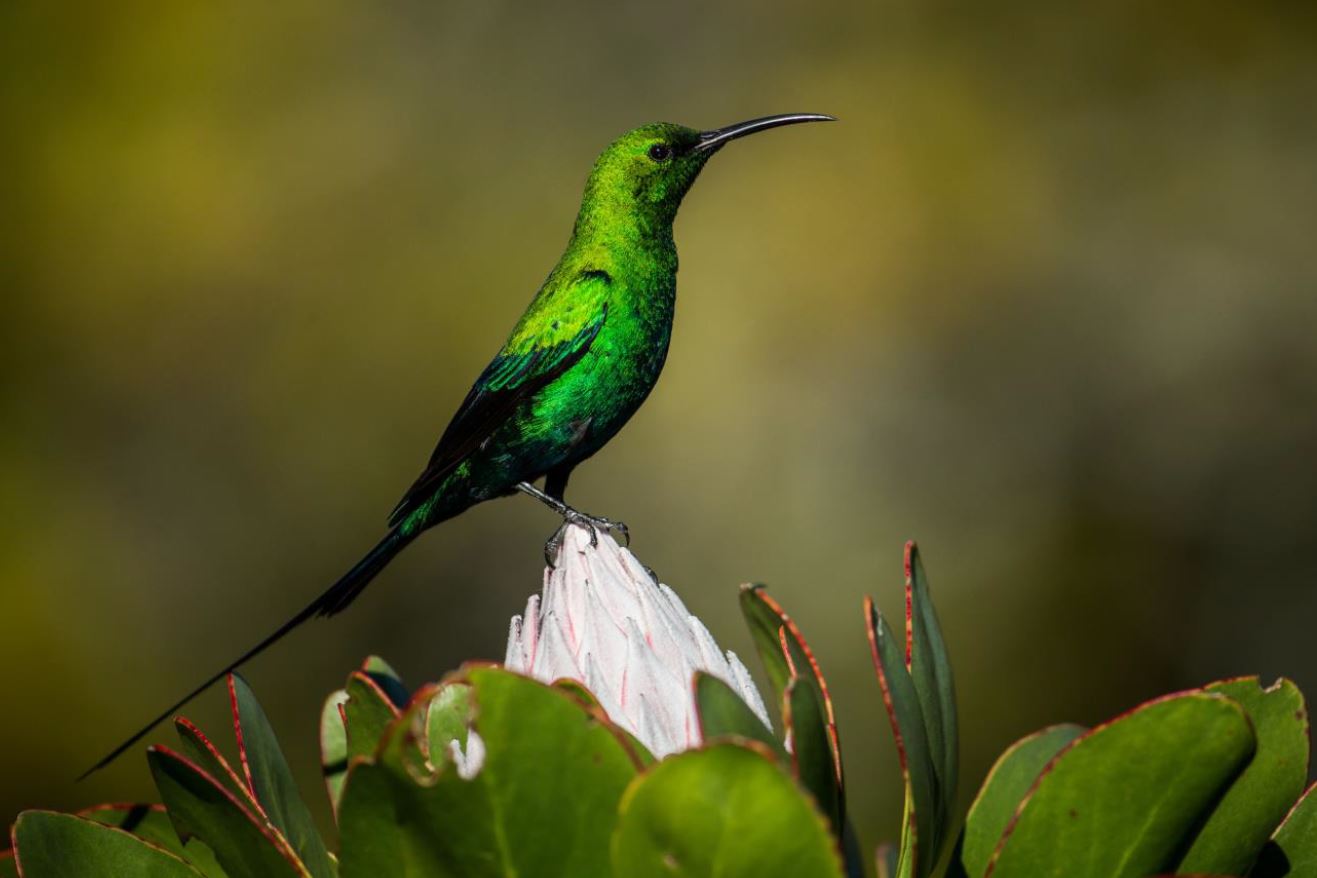
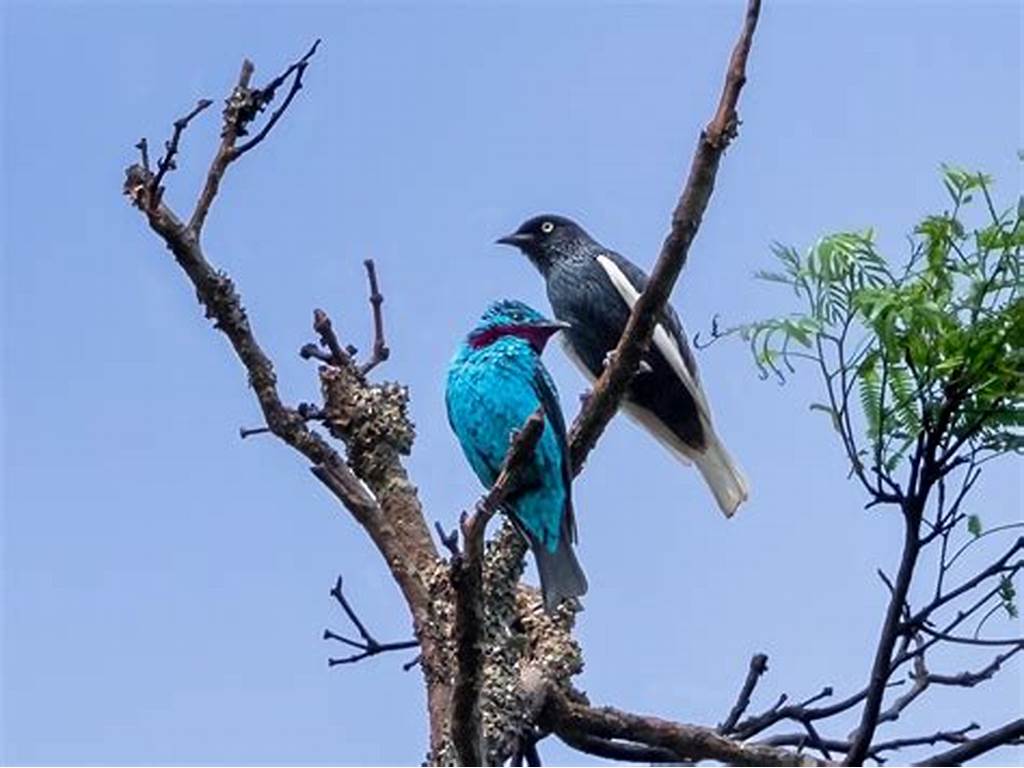
Malachite sunbirds can be seen on Kilimanjaro
Wildlife on Kilimanjaro – What to Look For
When visiting Kilimanjaro National Park, don’t forget to keep your eyes wide open—especially during a climb. Hikers go higher than any vehicles can, offering a unique chance to spot wildlifethat day visitors might miss.
You’ll find many animals and birds, particularly on the lush lower slopes. And don’t just look during the day—nocturnal animalsare active at night too!
The rainforest zoneis especially rich in life. One of the highlights is the black-and-white colobus monkey, a rare and fascinating sight.
So, what animals live on Kilimanjaro? Which trekking route gives you the best chance to spot them? And where along the trail should you be watching most closely?
Wildlife on Kilimanjaro – What to Expect
While elephantslove the fertile lower regions of Kilimanjaro National Park, climbers won’t trek through these areas.
Kilimanjaro has five distinct climate zones:
Cultivated zone (800 m to 1,800 m)
Rainforest zone (1,800 m to 2,800 m)
Afro-alpine moorland zone (2,800 m to 4,000 m)
Alpine desert zone (4,000 m to 5,000 m)
Arctic zone (above 5,000 m)
Each zone offers different wildlife, but keep in mind that while the lower regions of Kilimanjaro National Park are teeming with animals, many are hard to spot. Climbers begin their journey above the habitats of larger animals like elephants.
Remember, a Kilimanjaro climbisn’t a traditional African safari. The animals you encounter along the climb are just a bonus to the main adventure. After conquering Kilimanjaro, why not reward yourself with an epic safariacross Tanzania?
Now, let’s dive into the types of animals you can find on Mount Kilimanjaroand within Kilimanjaro National Park.
Bush babies (galagos) are nocturnal and difficult to spot
Mammals on Kilimanjaro
Kilimanjaro National Park is home to a variety of mammals, including:
Elephants
Cape buffaloes
Black rhinos
Giraffes
Leopards
Servals
Hyenas
Baboons
Monkeys
Antelopes
Aardvarks
Mongooses
Porcupines
Honey badgers
Tree hyraxes
Bush babies
Among these, elephants, Cape buffaloes, leopards, and black rhinosare part of the Big Five. Black rhinos, however, are critically endangered, and Tanzania is one of the few countries where they can still be found.
The larger mammals tend to stay on the lower slopes of the mountain, so you’re unlikely to encounter them around the camps. While they may sometimes venture into the forest or higher up, spotting them is rare—you’re more likely to see their footprints.
As a climber, you’ll likely come across monkeysand other smaller animals during your trek.
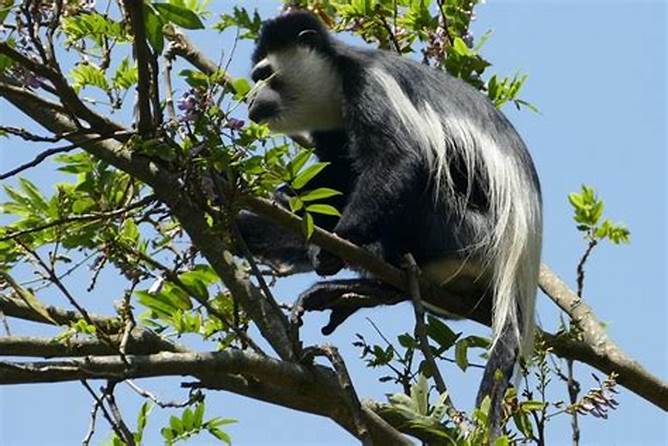
Distinctive colobus monkeys are one of the true treasures of Kilimanjaro
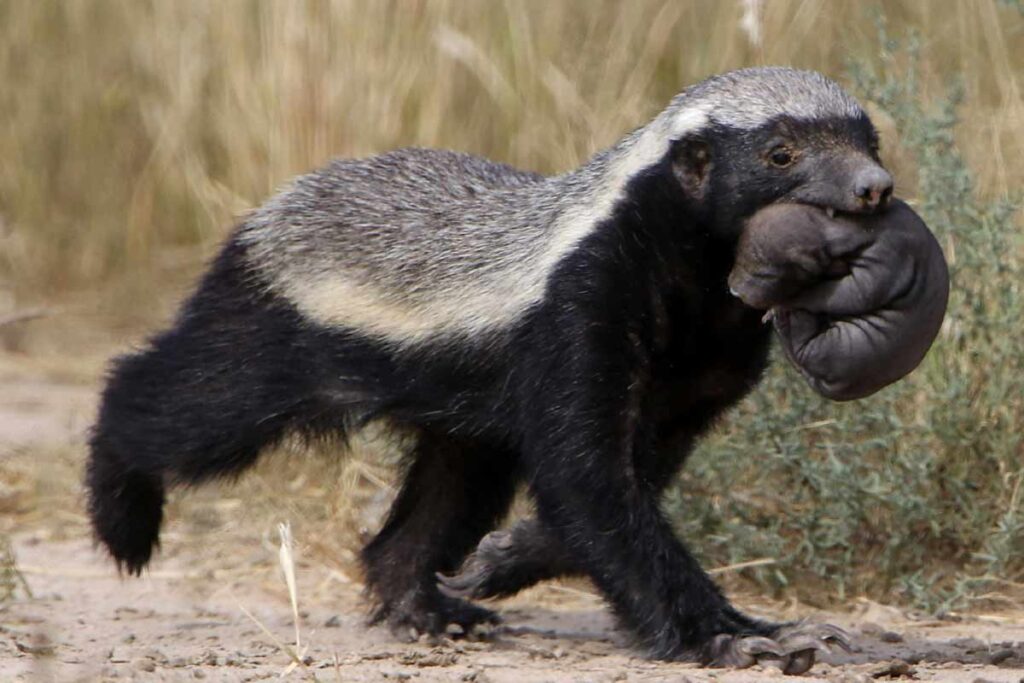
A honey badger carrying its pup
Kilimanjaro's antelopes
The antelopes that live on Kilimanjaro include:
red and grey duikers
Abbot’s duikers
mountain reedbucks
common elands
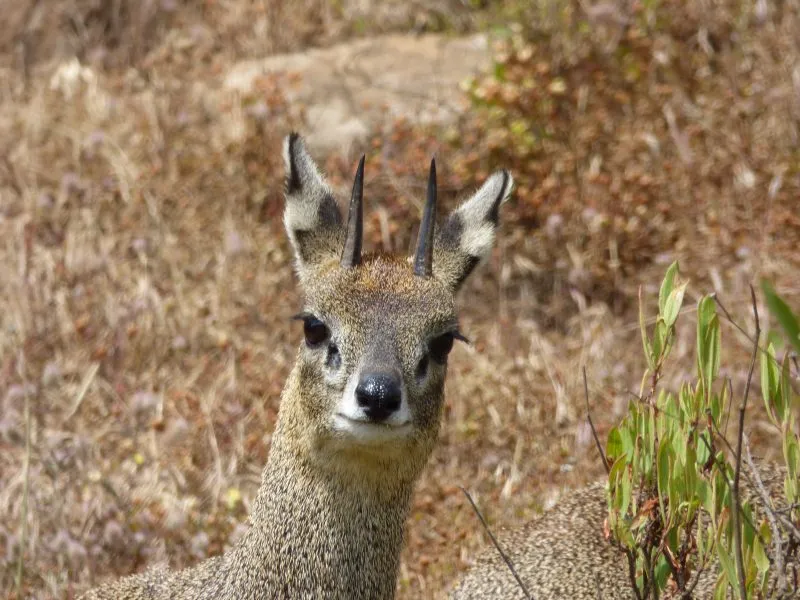
klipspringers
bushbuck
Animals in Kilimanjaro’s Higher Zones
While most animals on Kilimanjaro live in the lower two zones of the park, some, like klipspringers, common elands, and grey duikers, can occasionally be found in the moorland zone, where they are easier to spot.
Common elands (also known as oryxes) are large antelopes, weighing between 400 and 940 kg and standing 1.6 m tall at the shoulder. The only antelope larger than the common eland is the rare giant eland.
Klipspringersare small antelopes, weighing up to 18 kg (40 lb). They are nocturnal and often form monogamous pairs, walking on the tips of their hooves.
Abbot’s duikers, an endangered species, are found in only three pockets of Tanzania. These rare, dark brown duikers have a red tuft on their forehead. They are nocturnal and stay hidden in dense vegetation, making sightings extremely rare.
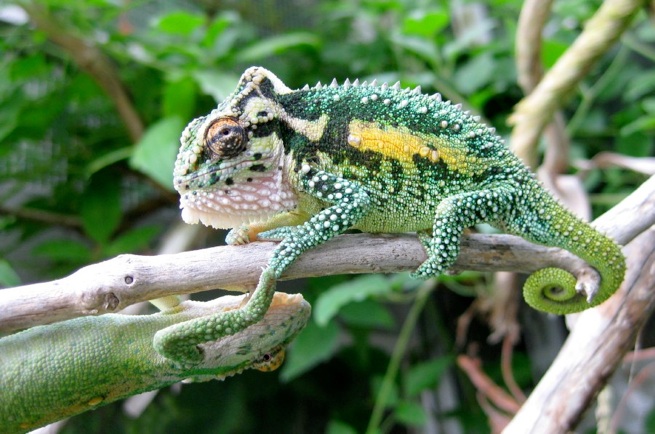
Chameleons on Kilimanjaro
Chameleons are common on Kilimanjaro, especially on the lower slopes. Two notable species are:
Three-horned chameleon (Jackson’s chameleon): Native to East Africa, this striking chameleon has three distinct horns, though females lack horns.
Kilimanajaro two-horned chameleon (Dwarf Fischer’s chameleon): Found only in northern Tanzania and southern Kenya, this smaller chameleon has two horns, and like the Jackson’s chameleon, only males have them.
Birdlife on Kilimanjaro
Kilimanjaro National Park is home to 179 bird species. Unlike animals, you’re likely to see many birds during your trek up the mountain!
Some birds to look out for include:
Vultures
Buzzards
Ravens
Hornbills
Turacos (Loeries)
Shrikes
Cuckoos
Flycatchers
Barbets
Chats
Woodpeckers
Bee-eaters
Sunbirds
Why the Northern Circuit and Rongai Routes Are Best for Animal Spotting
The Northern Circuit goes up the mountain’s western side and down the southeastern Mweka route. This means you get to see more habitats, unlike the Marangu route where you go up and down the same path.
It passes through the quiet northern slope, where fewer trekkers mean less noise – so animals are more likely to appear.
Kenya’s Amboseli National Park lies to the north. Trekkers may see animals like elephants on the plains below or even in the forest.
The route takes nine days, giving you more time and chances to see wildlife.
The Rongai route also starts in the north and goes down the Mweka route, offering many of the same wildlife-viewing benefits.
Ready to Climb Kilimanjaro?
Preparation is the foundation of a successful Kilimanjaro trek. By training properly, choosing the right gear, and planning your route wisely, you’ll be one step closer to conquering Africa’s tallest peak.
Start preparing today—and make your Kilimanjaro dream a reality!