Climbing Mount Kilimanjaro is a dream for many, and choosing the right route is key—especially if you’re a beginner.
The good news? There are several beginner-friendly paths that offer a mix of comfort, scenery, and success rates.
Climbing Mount Kilimanjaro is a dream for many, and choosing the right route is key—especially if you’re a beginner. The good news? There are several beginner-friendly paths that offer a mix of comfort, scenery, and success rates.
1. Marangu Route – “The Coca-Cola Route”
This is the most popular route for first-time climbers. Known for its gradual slopes and hut accommodations.
Marangu is the only route with sleeping huts, offering more comfort in unpredictable mountain weather. It’s a favorite for those looking for a less physically demanding experience.
2. Rongai Route – Quiet and Scenic
Looking for a more peaceful trek? The Rongai Route approaches Kilimanjaro from the north and is known for its dry conditions and stunning views over Kenya.
With fewer trekkers and a steady incline, it’s ideal for beginners who want a quieter climb.
3. Machame Route – Beauty Meets Adventure
Often called the “Whiskey Route,” Machame offers more dramatic scenery and a slightly more challenging trail than Marangu or Rongai.
Despite its tougher reputation, it has a high success rate due to better acclimatization opportunities. It’s perfect for adventurous beginners who want a visually rewarding experience.
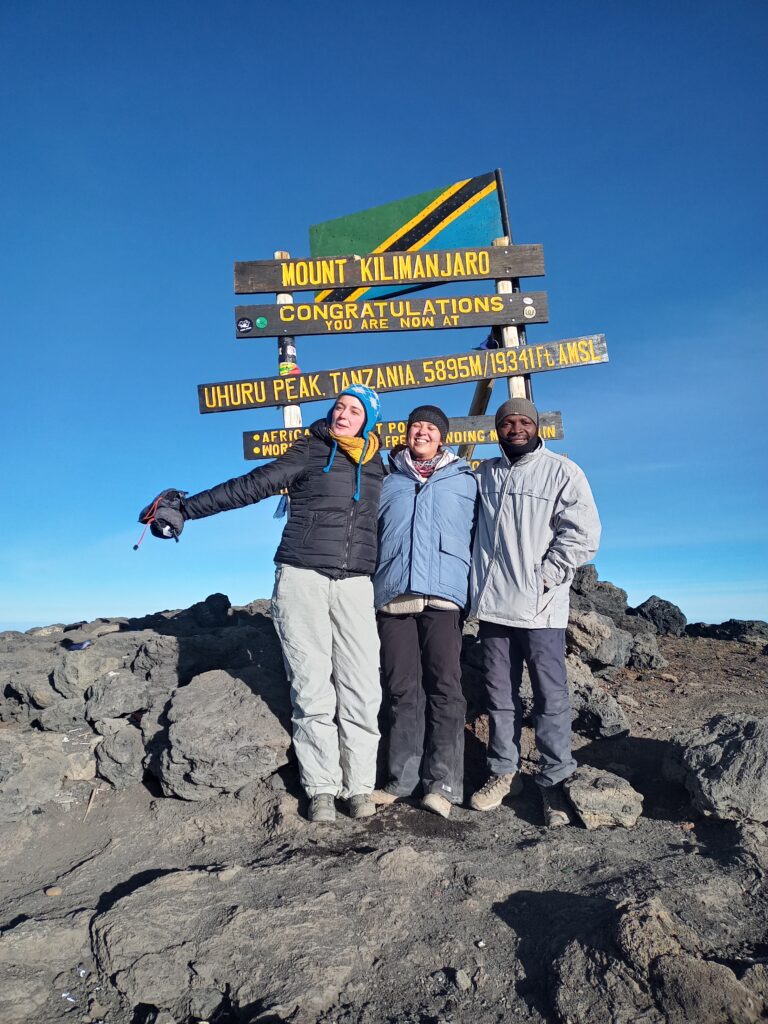
The easiest and most comfortable route to the summit of Mount Kilimanjaro
The Marangu Route is the most popular and beginner-friendly path up Mount Kilimanjaro. Commonly known as the “Coca-Cola Route,” it offers climbers a gentle ascent, well-maintained trails, and the comfort of sleeping huts instead of tents—making it an ideal choice for first-time trekkers.
✅ Easiest Route – Gradual slopes and a direct path to the summit
✅ Hut Accommodations – Stay in dormitory-style mountain huts, a rare comfort on Kilimanjaro
✅ Shortest Duration – Can be completed in just 5 or 6 days
✅ Popular & Social – Great for meeting fellow trekkers on the same journey
Stunning landscapes, high success rates, and the perfect balance of adventure and beauty.
The Machame Route, often called the “Whiskey Route,” is the most popular and scenic path to the summit of Mount Kilimanjaro. Known for its dramatic landscapes, diverse terrain, and excellent acclimatization profile, it attracts trekkers from all over the world.
Although more physically demanding than the Marangu Route, the Machame Route offers better success rates and a more immersive mountain experience—making it a top choice for fit beginners and seasoned hikers alike.
🌄 Incredible Scenery – Rainforest, moorland, alpine desert, and glacier views
🎯 High Success Rate – Gradual climb and longer duration help with acclimatization
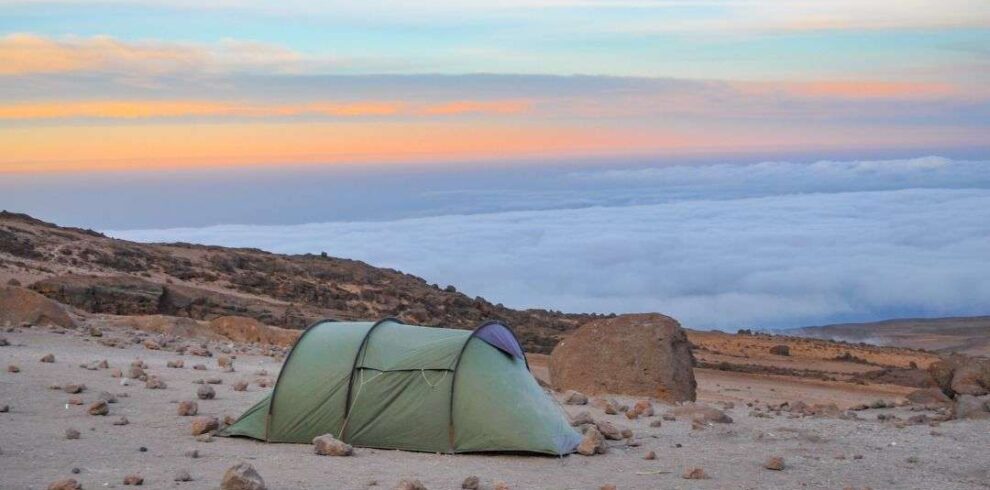
⛺ Camping Adventure – Sleep under the stars in well-supported tent camps
🧗 Barranco Wall Challenge – A thrilling but non-technical climb with epic views
Breathtaking views, great acclimatization, and an unforgettable journey to the summit.
If you’re searching for the most beautiful way to climb Mount Kilimanjaro, the Lemosho Route is your perfect choice. Known for its panoramic vistas, diverse landscapes, and high success rate, Lemosho offers a truly immersive and rewarding trekking experience.
Starting on the western side of the mountain, this route gives climbers the chance to explore remote rainforests, rolling moorlands, and dramatic ridgelines—all before joining the Machame Route for the final summit push.
🌄 Most Scenic Trail – Offers stunning views across Shira Plateau, Barranco Wall, and Kibo Crater
🌿 Low Traffic Start – Quieter and less crowded during the first few days
🎯 High Success Rate – Excellent acclimatization profile with longer duration
🛖 Camping Route – Sleep in tents with full mountain support crew
Peaceful trails, scenic beauty, and a steady climb from the north side of Kilimanjaro.
The Rongai Route is the only route that approaches Mount Kilimanjaro from the northern side, near the Kenyan border. Known for its low foot traffic, dry climate, and gentle ascent, this route is a top choice for trekkers seeking a quieter and more remote climbing experience.
Unlike the busier southern approaches, Rongai offers an off-the-beaten-path adventure with unspoiled views and a higher chance of spotting wildlife in the early stages of the trek.
🗻 Quietest Route – Fewer climbers, more solitude
🌞 Dry Conditions – Less rainfall compared to southern routes
📈 Gradual Ascent – Gentle slope and great for acclimatization
🏕️ Tented Camps – Full camping experience with support crew
Ultimate acclimatization, unmatched solitude, and panoramic views all the way to the summit.
The Northern Circuit Route is the longest route on Mount Kilimanjaro—and arguably the most rewarding. Circling nearly the entire mountain before reaching the summit, this trail offers a rare combination of solitude, scenic variety, and the highest summit success rate of all routes.
Starting on the western slopes and merging briefly with the Lemosho Route, the Northern Circuit then veers north into the remote, less-traveled back side of the mountain, giving trekkers a chance to experience Kilimanjaro like few others do.
🌍 Most Remote Route – Minimal traffic and maximum tranquility
📈 Excellent Acclimatization – Long duration allows your body to adjust gradually
🏕️ Ultimate Scenic Journey – 360-degree views of the mountain
✅ Highest Success Rate – Thanks to its slow and steady ascent
Steep, direct, and dramatic—this route is for true adventurers.
The Umbwe Route is the steepest, shortest, and most physically demanding route on Mount Kilimanjaro. Known for its rapid ascent and rugged terrain, it’s often referred to as the most challenging path to the summit.
This route is best suited for experienced trekkers, fit climbers, and those who thrive on intense, high-adrenaline adventures. If you’re looking for a quiet, remote trail with dramatic scenery and aren’t afraid of a tough climb, Umbwe is the ultimate test.
⛰️ Most Direct Route – Rapid elevation gain in the first few days
🔥 Steep & Intense – Ideal for experienced climbers seeking a challenge
🌲 Remote & Quiet – Very few trekkers on this lesser-known route
🧗 Adventure-Focused – Requires excellent fitness and mental toughness
A dramatic beginning, vast alpine plateau, and a route for seasoned adventurers.
The Shira Route begins with a high-altitude drop-off on the Shira Plateau, making it one of the few Kilimanjaro routes that skip the rainforest zone. This remote and scenic trail offers sweeping views from the start, with less foot traffic and a unique approach to the summit from the west.
While similar to the Lemosho Route, Shira is more challenging due to its abrupt altitude gain on Day 1, making it best suited for experienced trekkers or those with prior high-altitude exposure.
🏞️ Alpine Start – Begins at 3,500 meters, offering instant high-altitude scenery
🛤️ Remote & Scenic – Fewer crowds and panoramic views of Kilimanjaro’s western slopes
🧗 Physical Challenge – Requires strong acclimatization ability from the start
🎒 Camping Route – Full mountain support with scenic campsites
Choosing the right route is one of the most important decisions you’ll make when planning your Mount Kilimanjaro trek. Each route varies in terms of difficulty, scenery, crowd levels, accommodation, and success rates. Whether you’re a beginner looking for an easier path or an experienced trekker craving solitude and challenge, there’s a route that fits your needs.
| Route | Duration | Difficulty | Scenery | Crowds | Acclimatization | Accommodation | Best For |
|---|
| Marangu | 5–6 days | Easy to Moderate | Moderate | High | Low | Huts | Beginners, comfort seekers |
| Machame | 6–7 days | Moderate to Challenging | Excellent | High | Good | Camping | Scenic trek, good acclimatization |
| Rongai | 6–7 days | Moderate | Good | Low | Fair | Camping | Quiet, drier climate |
| Lemosho | 7–8 days | Moderate | Outstanding | Medium | Excellent | Camping | Scenery lovers, high success rate |
| Northern Circuit | 8–9 days | Moderate | Exceptional | Very Low | Best | Camping | Maximum acclimatization, solitude seekers |
| Umbwe | 6–7 days | Very Challenging | Good | Very Low | Poor | Camping | Fit and experienced climbers |
| Shira | 7–8 days | Moderate to Challenging | Great | Low | Fair (due to high start) | Camping | Experienced hikers, panoramic views |
🟢 Best for Beginners: Marangu or Rongai
🌄 Most Scenic: Lemosho or Northern Circuit
🧘 Least Crowded: Rongai, Northern Circuit, Umbwe
🧗 Most Challenging: Umbwe
⛰️ Best Acclimatization: Northern Circuit or Lemosho
🏕️ Best Camping Experience: Machame, Lemosho, Northern Circuit
Don’t worry—we’re here to help! Our Kilimanjaro experts can recommend the perfect route based on your fitness level, travel dates, group preferences, and goals.
📞 Contact us today to speak with a Kilimanjaro trekking specialist and start planning the journey of a lifetime.
Yes, but it’s important to be realistic. Kilimanjaro is one of the only mountains in the world where beginners can reach such a high altitude without technical skills, ropes, or ice axes. That said, it’s not a simple hike — it’s a challenging, multi-day trek through ever-changing terrain and oxygen-deprived air.
Marangu Route is traditionally considered the easiest because:
However, it has a lower success rate because of rapid altitude gain.
Better options for beginners:
Lemosho and Rongai Routes. These have gentle ascents and extra acclimatization days, improving comfort and success chances.
88–92% success rate, which is one of the highest on Kilimanjaro.
Why?
No. Supplemental oxygen isn’t typically used unless for emergencies.
Natural acclimatization and careful itinerary planning are key.
Expect $1,500–USD 3,500, covering:
Lower prices usually mean cut corners (fewer porters, old equipment, unsafe conditions).
Summit night.
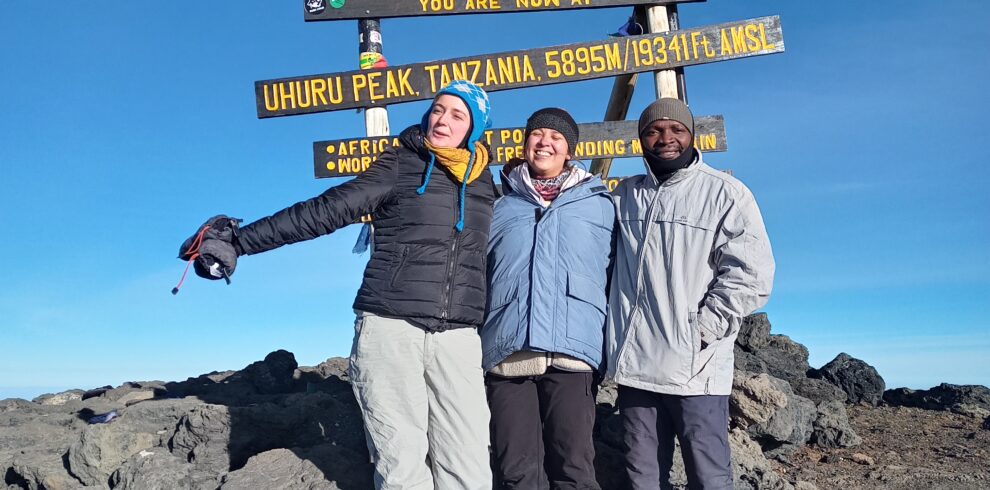
You’ll wake around midnight in the cold and climb for 6–7 hours in thin air to Uhuru Peak. Temperatures can drop to -10°C or lower, and winds can be fierce.
April, May, and November. These are heavy rainy seasons.
Expectations if you go then:
Best months: January–March and June–October.
Yes.
Kilimanjaro is a high-altitude trek, while Everest (the summit) is a technical climb requiring mountaineering skills and supplemental oxygen.
Approximately 3–7 deaths per year out of 30,000–50,000 climbers.
Causes:
Answer:
The Lemosho Route is widely considered the most beautiful route on Kilimanjaro. It starts on the remote western side of the mountain and offers breathtaking scenery right from the first day. Hikers pass through ancient rainforest, dramatic valleys, sweeping moorlands, and dramatic lava ridges — with panoramic views of Mount Meru and the Shira Plateau.
Answer:
The ideal age to climb Kilimanjaro is generally between 20 and 60 years old. However, the most important factors are physical fitness, mental resilience, and good health — not age alone.
Answer:
Most routes (like Lemosho, Machame, and Rongai) use high-quality mountain tents provided by your trekking company. Only the Marangu Route offers dormitory-style mountain huts.
Answer:
Yes — and it’s highly recommended.
On cold nights or during the long summit climb, it’s much safer and more comfortable to have a pee bottle inside your tent than to venture into the cold and dark.
Answer:
The hardest part is summit night — typically starting around midnight. It’s a long, steep ascent in the cold, dark, and thin air, often lasting 6–8 hours to reach the summit.
Answer:
The Marangu Route is the most affordable Kilimanjaro route. It’s the only one with mountain huts (no tents), and it can be done in as few as 5 days — reducing park fees and crew costs.
Answer:
In different ways, yes.
A marathon is a continuous, high-intensity effort for a few hours, while Kilimanjaro is a multi-day, endurance trek at a high altitude.
Answer:
Yes — if you’ll be staying in Moshi, Arusha, or low-altitude areas before and after your trek.
There’s no malaria risk above 2,000m.
Answer:
Climbing Mount Kilimanjaro is the adventure of a lifetime, but it comes with costs that vary depending on several factors. On average, a Kilimanjaro trek will cost between $1,500 and $3,500 per person. The final price depends on:
For a 7-day climb, park fees alone can account for around $1,000. It’s also essential to budget for tips (typically $250–350 per trekker), personal gear rentals, souvenirs, and any optional extras like hotel stays before and after the trek.
Answer:
The ideal age to climb Kilimanjaro is generally between 20 and 60 years old. However, the most important factors are physical fitness, mental resilience, and good health — not age alone.
Park Regulations:
Expectations for Clients:
Younger climbers need maturity to handle altitude and fatigue. Older climbers should consult a doctor and may benefit from a longer itinerary for safer acclimatization.
EXCELLENTVerified Fun, safe and fun! I had a very nice experience! Bruno had everything super organized and showed me many places during the Safari. He takes you into account and is also pleasant. A super nice guide! I would definitely book with Halisi again. They are ready if you have questions and know a lot to tell.Posted onVerified WAS GREAT I WOULD LIKE TO THANKS MR BRUNO FOR ARRANGING EVERYTHING REGARDS OUR TRAVEL TO MOSHI AND TO MOUNTAIN CLIMNGAROTHE HOTEL WAS ALSO NICE AND COMFORTABLEPosted onVerified Very good service Really the guide was very very flexible and helpful,, good attuide and very responsible,, they even give us best prices. We were searching too much. And the guide gave us very reasonable price. Highly recommendedPosted onVerified My best memory I chose Halisi to climb Kilimanjaro because it's a local Tanzanian company and it was incredible! Everything was perfect: the welcome, the teams, the equipment, the food, the atmosphere in short... my fondest memory of Tanzania! I recommend without hesitation 👌🤩Posted onVerified Fantastic Experience with Halisi Travel - bespoke vacations Dear Bruno, dear Charles, Benson and Philomena,A wonderful stay in Tansania has ended but a lot of memories full of nature, fun, adventure, Hakuna matata and the Big Five will stay in our heart. Thank you so much for this great Support and Driving. We felt safe and happy even though our luggage was lost waiting for days. But you really took care of everything imaginable in the background and have made a carefree time possible. Poa poa... Heiko, Sandra & AntonPosted onVerified best tour guide Bruno is the best tour operator and guide for Tanzania. I booked two trips with him to Mount Meru and Lake Manyara National Park. Both was very well organized and great fun. For Mount Meru he chose a very good team. He is flexible and made all individual wishes possible. I would definitely book again with him.Posted onVerified Safari team My son and I were on 4 day safari and it was absolutely fantastic. The trip was organized entirely according to our wishes. The guide was very experienced and showed the way to all the exciting animals in the beautiful surroundings of the natural areas. Our chef made the best food on the trip. We had fun from start to finish in our little Safari team.Posted onVerified Excellent customer service and very friendly company. Halisi Travel is one of those rare companies that actually cares about its customers and treats them more like friends. They aim to deliver excellent customer service and an awesome experience, all through the magnificent Bruno!I performed a lot of research before I came to Tanzania, to find someone who I could rely on for local tours and a safari. To be honest, it’s a minefield out there. However, Bruno at Halisi travel was excellent, he delivered everything I asked and more, and always with a smile on his face.I spent quite a bit of time with Halisi travel on my trip to Tanzania. Bruno arranged for tours of the Masai Boma Village, Chemka Hotsprings, Materuni waterfalls and Coffee Plantation tour on different days. All were excellent, and Bruno made me feel welcome and was helpfulHalisi travel even helped to arrange my 3 day safari from Moshi. As Bruno didn’t have a group of his own going on safari on the date I needed, and as I was a single passenger wanting to join a group, he instead helped to place me with an associate company. The alternate company did have good reviews but when on the trip there were some organisational issues. However, despite me not actually being on Safari with him, Bruno helped me resolve all the issues by contacting the other company himself. Now that is great customer service! He had nothing to gain from helping me, but was very helpful anyway. Overall, I would not hesitate to use Halisi travel again, as they are excellent. I rate Bruno very highly as a person and guide. I hope to use him again next time I’m in Tanzania!Posted onVerified It was great! I can REALLY recommend booking your trip with Bruno from “Halisi- Travel and Adventure”. I did the Kilimanjaro and Safari (Ngorongoro Crater, Tarangire, Lake Manyara) and I was completely contented. My guide and porter took great care of me and I always got fresh and very good food. Bruno was felixble and so communication and booking was very easy. I did the Kili in less time and so Bruno organized my safari-tour in a very short time- and it was great! Another plus: they picked me up and brought me back to the airport as well. I was very happy and really enjoyed!Posted onVerified Kilimanjaro with Halisi Travel I highly recommend Halisi Travel if you want to climb Mount Kilimanjaro Bruno and his team gave me and my friends very good service. The guides and porters were very helpful and patient. It was thanks to them that we reached the summit! So do not hesitate: if you want to have a wonderful climb contact Bruno Halisi from Halisi Travel! John